About
About FEBS3+
The FEBS3+ Meetings Programme was established by FEBS to support scientific meetings equivalent to an annual national scientific meeting of a Constituent Society but organized through cooperation of at least three FEBS Constituent Societies with the aim to increase international collaboration. More information on FEBS3+ meetings in general can be downloaded as a PDF.
FEBS3+ TOPICS
| AI in Biology |
| Circular Bioengineering: Sustainable Pathways to Bioproducts |
| Musculoskeletal Regeneration |
| Mechanisms of Aging and Cellular Senescence |
| Computational Biology and Protein Design |
| Emerging Technologies for Advanced Cell Culture Applications |
| Emerging Concepts in Cancer Biology and Oncology |
| Mitochondria and Metabolism |
| Methods and Discoveries in Precision Medicine |
| Mitochondria, Metabolism, and the Autophagy Axis in Aging |
| Molecular Nutrition |
| From Plant Molecular Farming to Plant Factories |
FEBS3+ Meeting supported by

Expand your horizon
The ÖGMBT Annual Meeting is one of the most significant scientific events in Austria in the molecular biosciences. Topic wise it is a very broad event, including medical aspects of the life sciences, applied aspects and a diverse set of basic research. It is a good mix of invited international talks and talks by students (all in English), a company trade show including exhibitors quiz and many networking activities.It is a true melting pot bringing together top experts for exchange, showcasing the work of early career researchers, helps the attending students get a notion of the field and allows everyone a look beyond the horizon of their own specialization and shows what is happening in Austria in the field of life sciences. This FEBS3+ meeting part of the annual meeting focuses on Central Europe and is co-shaped by three FEBS member societies from Austria, Czechia and Slovenia:
Who should attend?
Bachelor/Master students
- Free online registration for Bachelor and Master students who are ÖGMBT members
- Get an overview of the Austrian life sciences community and first hand insights about career opportunities
- Meet representatives from academia & industry and start your network
- Find your next exciting project or internship and connect with peers from related life sciences fields
- Participate at exclusive career-related workshop
- Learn about the most recent research in Austria and trending scientific topics
- Listen to winners of the Life Sciences Awards Austria 2026
PhDs/Postdocs
- Meet key players from academia & industry and get invaluable personal contacts for your career
- Find your next position or collaborators from related life sciences fields
- Submit an abstract for the possibility for a short talk or poster presentation including a chance to win best posters or best talk prizes
- Listen to sessions organized by PhD students and YLSA volunteers
- Learn about the most recent research in Austria and trending scientific topics
- Listen to winners of the Life Sciences Awards Austria 2026
Group Leaders/Professors
- Establish new research collaborations with new group leaders and industrial partnerships
- Update your insights on current research trends in Austria and cutting-edge technologies used in different life sciences disciplines
- Find your next interns, PhD students or Postdocs among the meeting’s attendees
Industry
- Find new costumers for your products & services and strengthen your market position
- Make high-quality contacts with stakeholders in academia yielding new paths of cooperation
- Contribute to the scientific program as speaker by submitting abstracts describing your recent research
- Present your company as exhibitor and take part in the exhibitor quiz
- Support the ÖGMBT by being sponsor
Join the ÖGMBT
Become an ÖGMBT-member and take advantage of lower registration fees. Click HERE for information on ÖGMBT membership benefits and subscribe for membership online before registering for the Annual Meeting.
Language
The scientific program of the 18th ÖGMBT Annual Meeting is held in English.
Attendance / Presentation Confirmations:
Can be downloaded in the registration system under "Confirmations" at the end of the meeting.
Warning: Participant contact details scam
You may have rceived an e-mail offering to sell participant contact information. ÖGMBT does not share or sell such information with other organizations.
Organizers
The ÖGMBT Office (Austrian Association of Molecular Life Sciences and Biotechnology) is fully in charge of organizing the Annual Meeting. This guarantees continuity and a high standard of organization.
For any further information or inquiries related to the 18th ÖGMBT Annual Meeting feel free to contact us at This email address is being protected from spambots. You need JavaScript enabled to view it.
Invited Speakers
Plenary & invited speakers
Plenary
Judith Frydman 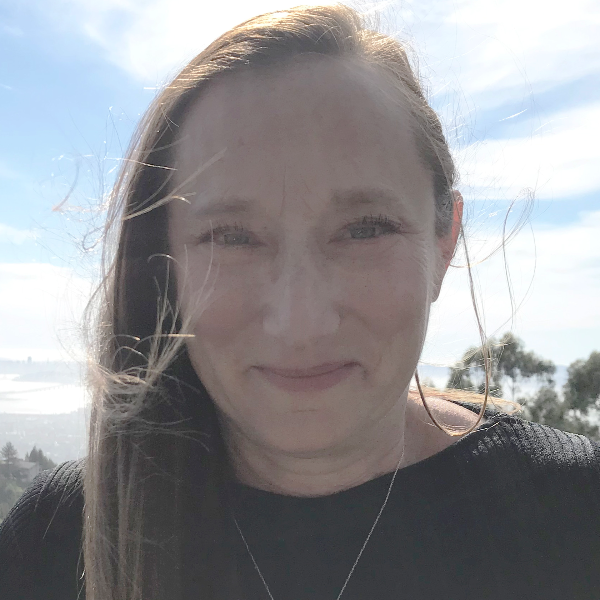
Stanford University, US |
Plenary
Omry Koren 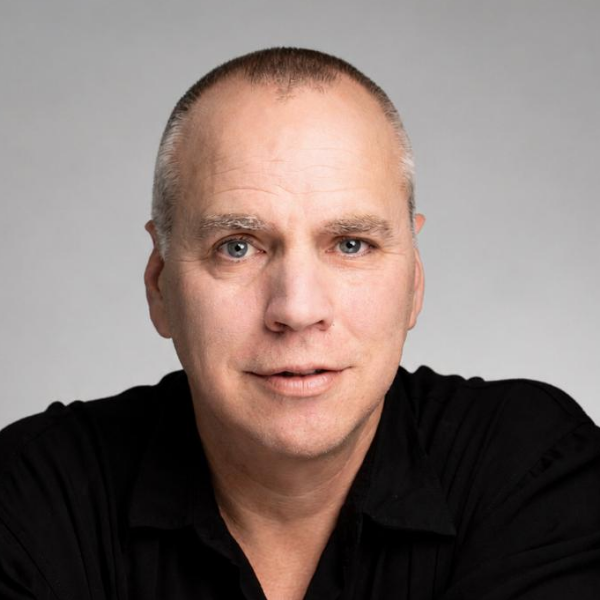
Bar-Ilan University, IL |
Plenary
Guido Kroemer 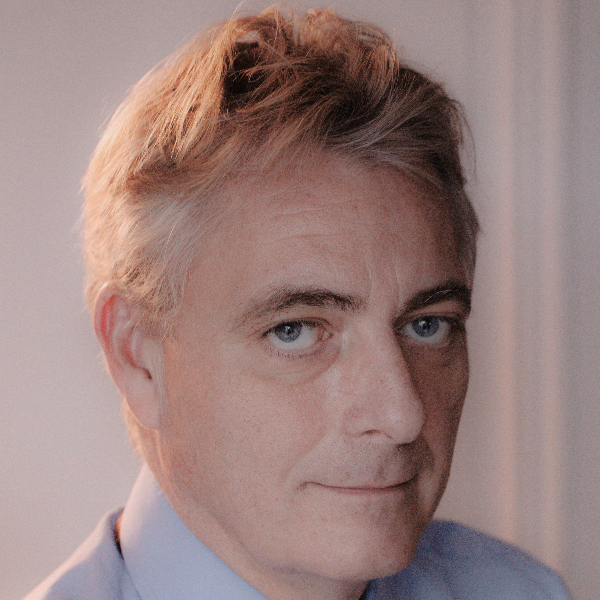
Université Paris Cité, FR |
Plenary
Christa Schleper 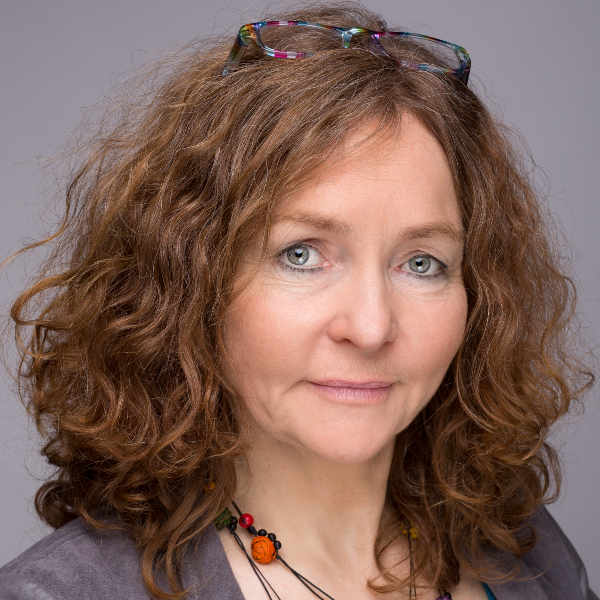
University of Vienna, AT |
S1: AI in Biology
David S. Fischer 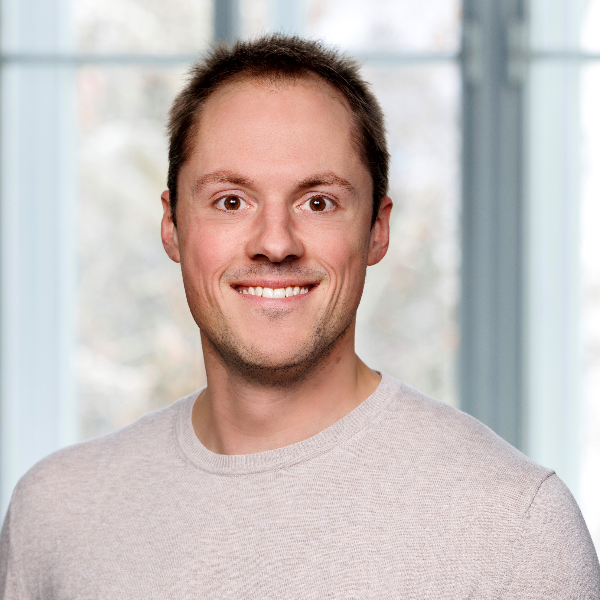
Medical University of Vienna, AT |
S2: Mitochondria and Metabolism
Heike Rampelt 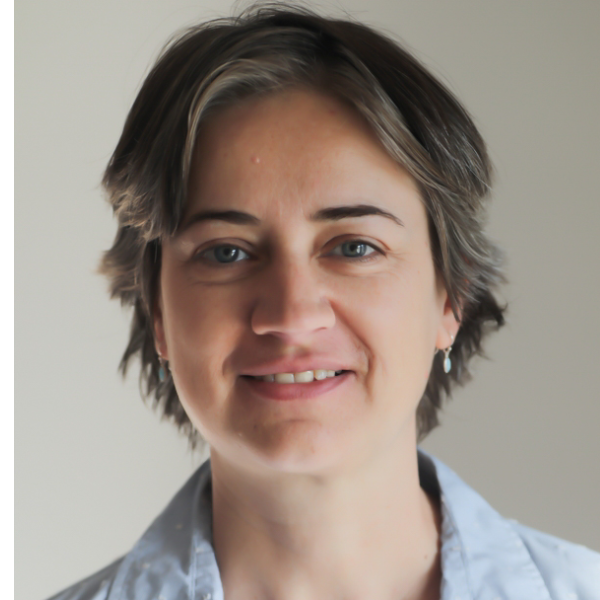
University of Freiburg, DE |
S3: Musculoskeletal Regeneration
Carlos Julio Peniche Silva 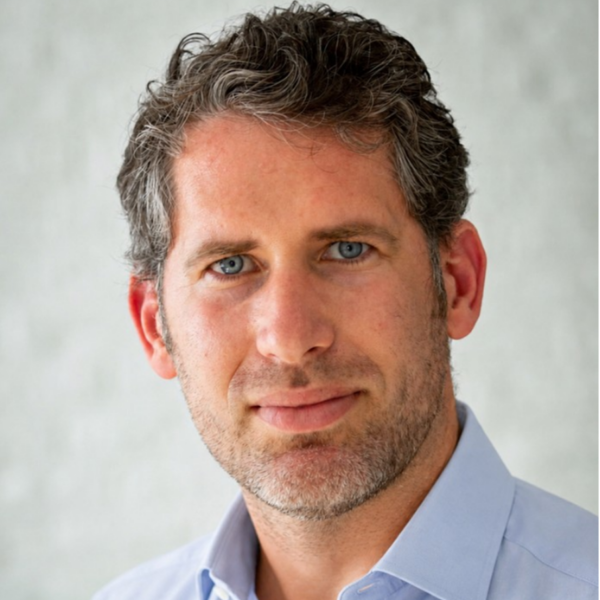
MERLN/Maastricht University, NL |
S4: Mechanisms of Aging and Cellular Senescence
Cleo Bishop 
Queen Mary University of London, UK, GB |
S5: Computational Biology and Protein Design
Ajasja Ljubetič 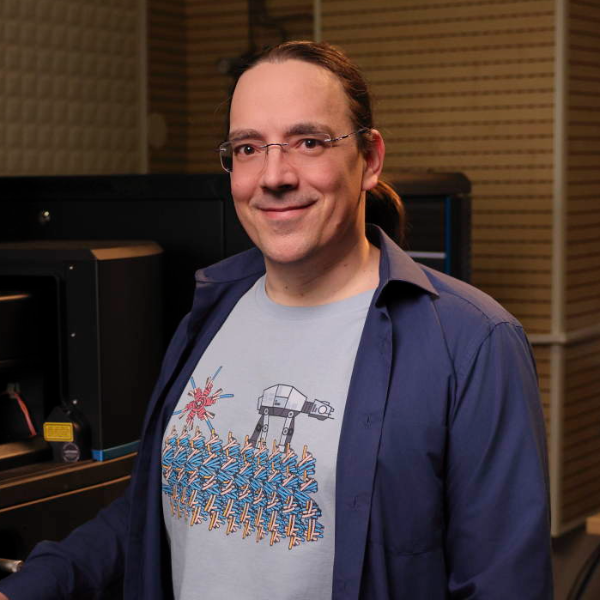
National Institute of Chemistry, SI |
S6: Emerging Technologies for Advanced Cell Culture Applications
Nico Lachmann 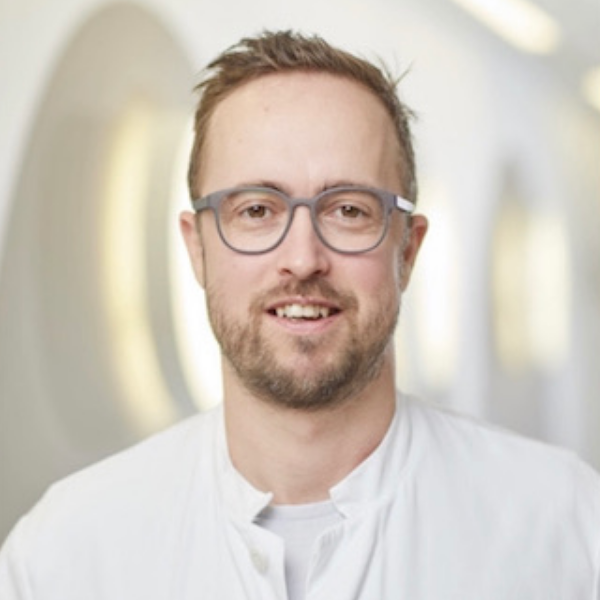
Hannover Medical School, DE |
S7: Emerging Concepts in Cancer Biology and Oncology
Florian Grebien 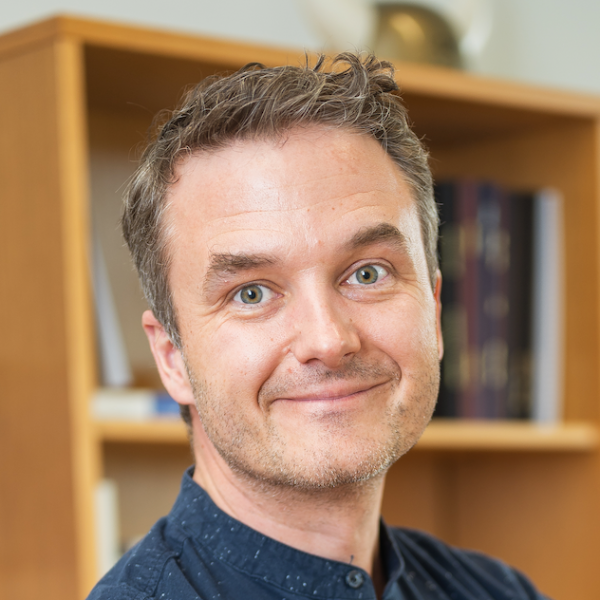
University of Veterinary Medicine Vienna, AT |
S8: Circular Bioengineering: Sustainable Pathways to Bioproducts
Daniel Volke 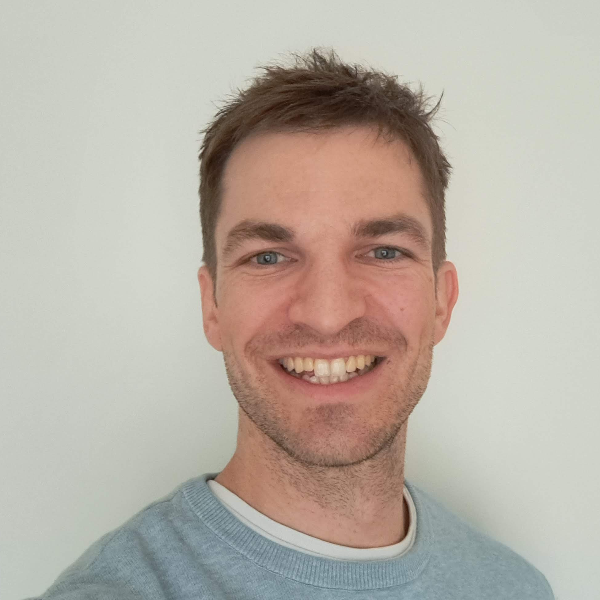
Technical University of Denmark, DK |
S9: Methods and Discoveries in Precision Medicine
Gregory Vladimer 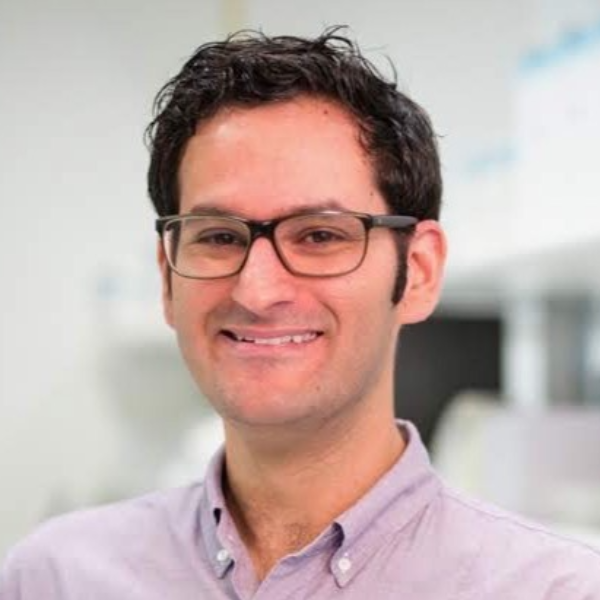
Graph Therapeutics, AT |
S10: Mitochondria, Metabolism, and the Autophagy Axis in Aging
Alexander Weiss 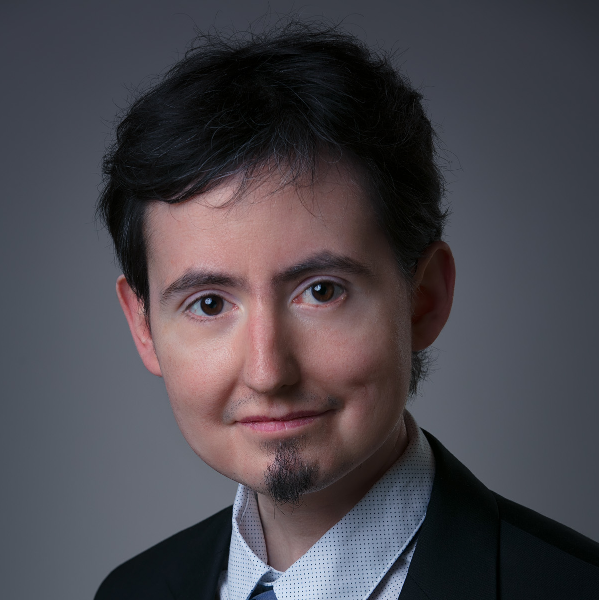
University of Innsbruck, AT |
S11: Molecular Nutrition
Peter Stärkel 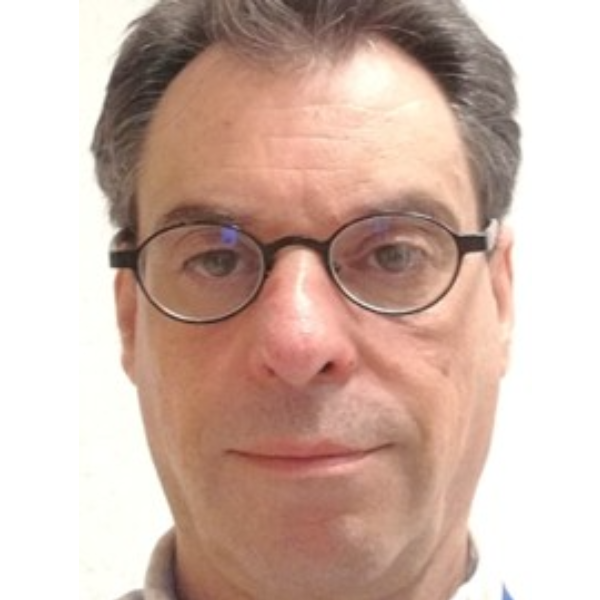
Cliniques Universitaires Saint Luc, BE |
S12: From Plant Molecular Farming to Plant Factories
Stefan Schillberg 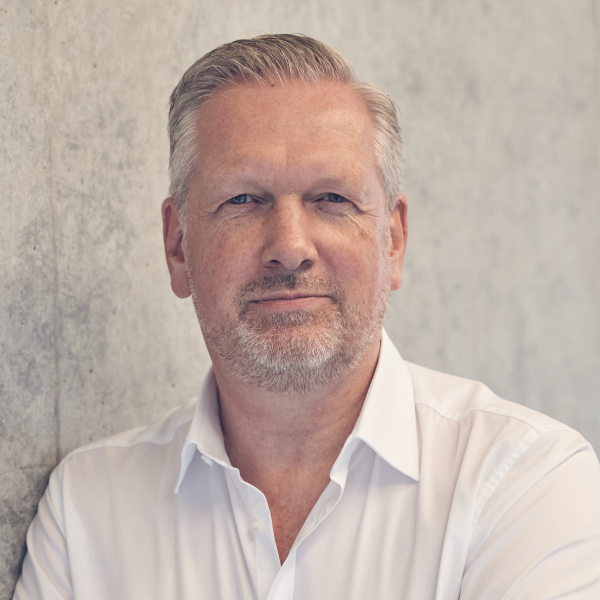
Fraunhofer IME, DE |
Austrian Innovators session
Bernd Boidol 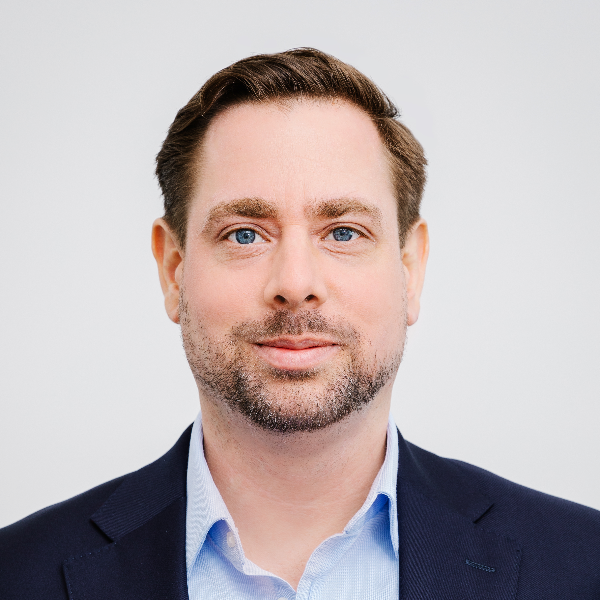
Proxygen, AT |
|
Program Overview
Program Overview
Last Update: 31.8.2026

Poster Table
Download the FEBS3+ Poster Table (PDF)

Abstract Book & Program Book
A printed version of the Program book will be provided to all participants during the on-site registration.
Please note that to save paper the full Abstractbook with all abstracts and particpants list is only available online as PDF download for registered participants after login to the registration system.
Tue., 15.9.
Detailed Program
Abstract Book & Program Book
A printed version of the Program book will be provided to all participants during the on-site registration.
Please note that to save paper the full Abstractbook with all abstracts and particpants list is only available online as PDF download for registered participants after login to the registration system.
Tuesday, September 15th, 2026
|
| 11:00 - 13:00 |
Registration FEBS
|
Foyer |
| 13:00 - 13:20 |
FEBS3+ Opening
Moderation: Felix Sternberg (University of Vienna, AT)
Welcome words by Michael Sauer (ÖGMBT President)
|
HS1 |
| 13:20 - 14:00 |
Plenary 1
Chairs: Michael Sauer (OMV AG, AT), Felix Sternberg (University of Vienna, AT)
|
HS1 |
| |
Christa Schleper (University of Vienna, AT)
Walking with Our Ancestors: Motile Asgard Archaea and the Origins of Complex Life
|
|
| 14:00 - 14:15 |
Science Flashes 1
Chair: TBA
|
HS1 |
| |
Johannes Theodoor Zwerus (TU Wien, AT)
High-Throughput Analysis of Oxygen Stress Responses in Aspergillus niger During Citric Acid Fermentation
|
|
| |
Victoria Stefan (University Hospital of the PMU Salzburg, Department of Pediatrics, AT)
A ketogenic diet synergizes with neuroblastoma immunotherapy in mice by modulating the tumor microenvironment
|
|
| |
Filip Kapral (University of Chemistry and Technology, Prague, CZ)
Atlas of amino acid roles in human proteins
|
|
| |
Anna Santa (Pázmány Péter Catholic University, HU)
Redistribution of sidechain-sidechain interactions govern ligand-specific binding affinity changes in missense Shank1 PDZ variants
|
|
| |
Oscar Fabian García-Aponte (BOKU, AT)
Non-Destructive Profiling of MSC-Derived Cartilage Metabolism via Continuous Culture and Microperfusion Sampling
|
|
| |
Lara Biezunski (Ludwig Boltzmann Gesellschaft, Institut f. Traumatologie, AT)
Metabolic engineering for extracellular vesicle surface functionalization
|
|
| 14:15 - 14:45 |
Coffee Break
|
Foyer |
| 14:45 - 16:15 |
S1: AI in Biology
Chairs: Nikolaus Fortelny (University of Salzburg, AT), Andre Rendeiro (CeMM Research Center for Molecular Medicine, AT)
|
HS1 |
| 14:45 - 15:15 |
David S. Fischer (Medical University of Vienna, AT)
Semi-automated analyses of single-cell omics data with dedicated agentic systems
|
|
| 15:15 - 15:30 |
Kartik Deopujari (Technical University of Vienna, AT)
FungiCapture: A Deep-Learning Toolkit to Capture Fungal Morphologies in Fungi
|
|
| 15:30 - 15:45 |
Iuliia Trifonova (University of Salzburg, AT)
Computational prediction of ligand-receptor pairs using transformer-based language models, interaction networks, and structural modelling.
|
|
| 15:45 - 16:00 |
Luísa Rodrigues (ISTA, AT)
Designing TALE-inspired scaffolds for programmable DNA binding.
|
|
| 14:45 - 16:15 |
S2: Mitochondria and Metabolism
Chairs: Ladislav Andera (Institute of Biotechnology CAS, CZ), Elena Pohl (University of Veterinary Medicine Vienna, AT)
|
HS2 |
| 14:45 - 15:15 |
Heike Rampelt (University of Freiburg, DE)
Mitochondrial machineries linking protein biogenesis, architecture and metabolism
|
|
| 15:15 - 15:30 |
Teresa Kloimböck (Johannes Kepler Universität Linz Zentrum für Medizinische Forschung, AT)
Mitochondrial genome integrity in human oocytes: Duplex Sequencing reveals endometriosis-associated germline mutagenesis
|
|
| 15:30 - 15:45 |
Daniel Cuervo Zanatta (University of Vienna, AT)
The influence of short-chain fatty acids in the metabolic outcome of astrocytes
|
|
| 15:45 - 16:00 |
Theresa Hommel (University of Veterinary Medicine Vienna, AT)
LRIG2 regulates ERBB signaling in muscle tissues
|
|
| 16:00 - 16:15 |
Giorgia Roticiani (Univeristy of Veterinary Medicine, AT)
The non-thermogenic function of opossum UCP1 is independent of its cytoplasmic binding network: insights from reciprocal mutagenesis of murine and opossum UCP1
|
|
| 14:45 - 16:15 |
S3: Musculoskeletal regeneration
Chairs: Janina Burk (Vetmeduni Wien, AT), Christina-Marie Baumbach (University of Veterinary Medicine Vienna, AT)
|
HS3 |
| 14:45 - 15:15 |
Carlos Julio Peniche Silva (MERLN/Maastricht University, NL)
MicroRNAs as versatile tools in musculoskeletal tissue engineering
|
|
| 15:15 - 15:30 |
Nevra Pelin Cesur (Paracelsus medical private university/institute of tendon and bone regeneration, AT)
SPARC deficiency drives mechanometabolic rewiring in tendon tissue
|
|
| 15:30 - 15:45 |
Renate Gehwolf (Paracelsus Medical Private University, AT)
Recombinant SPARC accelerates matrix organization and maturation during tendon healing
|
|
| 15:45 - 16:00 |
Anju Kombara (University of Veterinary Medicine Vienna, AT)
Do molecular signatures of ECM signalling pathways shape MSC fate?
|
|
| 16:00 - 16:15 |
Iris Gerner (Vetmeduni Vienna, AT)
Of blood, sweat and tears - Metabolic phenotyping of osteoarthritis
|
|
| 16:15 - 17:15 |
Poster Session 1
View Poster Table PDF
|
Foyer |
| 17:15 - 17:45 |
Coffee Break
|
Foyer |
| 17:45 - 18:20 |
Life Sciences Awards Austria 2026
Moderator: Michael Sauer (ÖGMBT President)
|
HS1 |
 |
Life Sciences Awards 2026 Ceremony
Opening words by Thomas Saghi (BMWET, AT)
|
|
 |
Life Sciences PhD Award Austria 2026 – Basic Science
Spencer Balay (Ludwig Maximilians University Munich, DE) 
A global screen for magnetically induced neuronal activity in the pigeon brain.
|
|
 |
Life Sciences PhD Award Austria 2026 – Applied Research
Trinh Phan-Canh (Beth Israel Deaconess Medical Center, Harvard Medical School, US) 
Candida auris skin tropism and antifungal resistance are mediated by carbonic anhydrase Nce103
|
|
| 18:20 - 19:00 |
Rising Star Lectures
Chair: Joachim Seipelt (Nuvonis Technologies, AT)
|
HS1 |
|
Life Sciences Research Award Austria 2026 – Basic Science
Utku Horzum (Medical University of Innsbruck, AT) 
Targeting endoplasmic reticulum export disrupts metabolic resilience in multiple myeloma
|
|
|
Life Sciences Research Award Austria 2026 – Applied Research
Julia Bubis (Research Institute of Molecular Pathology, AT) 
Challenging the Astral mass analyzer to quantify up to 5,300 proteins per single cell at unseen accuracy to uncover cellular heterogeneity
|
|
|
Life Sciences Research Award Austria 2026 – Excellence & Societal Impact
Sebastian Hecko (TU Wien, AT) 
Iontronic delivery of molecular scissors for on-demand drug release
|
|
| 19:00 - 22:00 |
Wine & Science
|
Foyer |
Wed., 16.9.
Abstract Book & Program Book
A printed version of the Program book will be provided to all participants during the on-site registration.
Please note that to save paper the full Abstractbook with all abstracts and particpants list is only available online as PDF download for registered participants after login to the registration system.
Wednesday, September 16th, 2026
|
| 09:00 - 09:45 |
PhD Session
Chairs: Alexander Röntgen (University of Cambridge, GB), Anja Hartewig (Tampere University, FI)
|
HS1 |
| 09:00 - 09:15 |
Irena Yordanova (Medical University of Vienna, AT)
Restoring endothelial–macrophage crosstalk: miR-34a suppression as a senomorphic strategy for vascular aging
|
|
| 09:15 - 09:30 |
Christina Winter (University of Applied Sciences - Hochschule Campus Wien, AT)
Biological evaluation of 3D-printed composite scaffolds for bone regeneration: cytocompatibility, cell adhesion, and immune crosstalk
|
|
| 09:30 - 09:45 |
Adéla Schandl (TU Wien, AT)
Improving thermotolerance in Aspergillus niger through adaptive laboratory evolution and single-conidium cell sorting
|
|
| 09:45 - 10:25 |
Plenary 2
Chairs: Markus Schosserer (Medical University of Vienna, AT)
|
HS1 |
| 09:45 - 10:25 |
Judith Frydman (Stanford University, US)
Molecular Origami: The TRiCky business of folding proteins in the cell
|
|
| 10:25 - 10:40 |
Science Flashes 2
Chair: Markus Schosserer (Medical University of Vienna, AT)
|
HS1 |
| |
Alicia Olivares Barrio (Weiterbildung Universität Krems, AT)
Effect of cell culture conditions on mesenchymal stem cell-derived extracellular vesicles
|
|
| |
Jelle van Oort (Technische Universität Wien, AT)
Establishing phosphite oxidation in acetogens (EPO-acetogen): improving the bioenergetics of Acetobacterium woodii
|
|
| |
Manuel Reithofer (BOKU University, AT)
REM-BAC – Advanced stable cell line development based on Rapid Efficient Manifold Baculovirus Transduction
|
|
| |
Chantal Lucini (St. Anna Children's Cancer Research Institute, AT)
Differential in vitro sensitivity of BCR::ABL1 kinase domain mutations to tyrosine kinase inhibitors depending on the p190 or p210 isoform background
|
|
| |
San Hadzi (Faculty of Chemistry and Chemical Technology, University of Ljubljana, SI)
Deciphering a transcription regulation mechanism of disordered regulator HigA2 using protein design
|
|
| |
Magdalena Rizk (Medical University of Vienna, AT)
Dual PTPN2/PTPN1 inhibition augments bispecific T cell engager activity in patient-derived tumor models
|
|
| 10:40 - 11:10 |
Coffee Break
|
Foyer |
| 11:10 - 12:40 |
S4: Mechanisms of Aging and Cellular Senescence
Chairs: Johannes Grillari (Ludwig Boltzmann Institute for Traumatology, AT), Markus Schosserer (Medical University of Vienna, AT)
|
HS1 |
| 11:10 - 11:40 |
Cleo Bishop (Queen Mary University of London, UK, GB)
Exploring the interplay between senescence and proteasome dysregulation
|
|
| 11:40 - 11:55 |
Alexander Röntgen (University of Cambridge, GB)
Protein variants regulate liquid-liquid phase separation and amyloid aggregation
|
|
| 11:55 - 12:10 |
Filip Milosic (Medical University of Vienna, AT)
a-miR-31 restores impaired bone–vascular crosstalk in aging by enhancing vascularization and bone formation
|
|
| 12:10 - 12:25 |
Karoline Reznar (Ludwig Boltzmann Gesellschaft, AT)
Arachidonic acid remodeling enzymes as candidate senolytic targets in senescent human fibroblasts
|
|
| 12:25 - 12:40 |
Raul Lopez Galisteo (Medical university of Vienna, AT)
Studying the ribosomal RNA modification Um354 in cellular senescence
|
|
| 11:10 - 12:40 |
S5: Computational Biology and Protein Design
Chairs: Ajasja Ljubetič (National Institute of Chemistry, SI), Vojtěch Spiwok (University of Chemistry and Technology, Prague, CZ)
|
HS2 |
| 11:10 - 11:40 |
Ajasja Ljubetič (National Institute of Chemistry, SI)
Can we use de novo protein design to create molecular walkers?
|
|
| 11:40 - 11:55 |
Horst Lechner (Graz University of Technology, AT)
De novo Metalloproteases for Site-Specific Tag Cleavage
|
|
| 11:55 - 12:10 |
Leoni Abendstein (Institute of Science and Technology Austria (ISTA), AT)
Designing for exclusivity: Can we engineer orthogonal heterodimers de novo using sequence-based design approaches?
|
|
| 12:10 - 12:25 |
Tina Lanzmaier (Graz University of Technology, AT)
Marine worm enzymes in action: computationally assisted engineering of dehaloperoxidases for removal of persistent pollutants
|
|
| 12:25 - 12:40 |
Faisal Bashir (University of Graz, AT)
A biophysical and computational study of G0S2, a lipid-droplet-associated ATGL inhibitor
|
|
| 11:10 - 12:40 |
S6: Emerging Technologies for Advanced Cell Culture Applications
Chairs: Isita Sagar (BOKU University, AT), Cornelia Kasper (BOKU, AT)
|
HS3 |
| 11:10 - 11:40 |
Nico Lachmann (Hannover Medical School, DE)
Engineering Human Immune Cell Production for Biomedical Applications and Cell Therapies
|
|
| 11:40 - 11:55 |
Janina Burk (Vetmeduni Wien, AT)
Native extracellular matrix environment to mimic health and disease in vitro
|
|
| 11:55 - 12:10 |
Oscar Fabian García-Aponte (BOKU, AT)
High-Throughput MSC Encapsulation in GelMA Microgels for Stirred-Tank Bioreactors: Linking Microgel Design, Cell Metabolism, and Extracellular Vesicle Secretion
|
|
| 12:10 - 12:25 |
Valentin von Werz (Technische Universitat Wien, AT)
Automated NK cell production for immunotherapy
|
|
| 12:25 - 12:40 |
Lisa Greutter (University of Applied Sciences Campus Vienna, AT)
Establishment of a Non-Invasive Menstrual Blood-Derived Stem Cell Platform for Women's Health Research
|
|
| 12:40 - 13:25 |
Lunch
|
Foyer |
| 13:00 - 14:00 |
ÖGMBT General Assembly
|
HS1 |
| 13:00 - 13:45 |
Thermo Fisher Workshop 
Radovan Spurny (Thermo Fisher Scientific)
Biological Questions in Cellular Context through Advances in cryoET
|
HS2 |
| 13:25 - 14:55 |
Poster Session 2
View Poster Table PDF
|
Foyer |
| 14:55 - 16:25 |
S7: Emerging Concepts in Cancer Biology and Oncology
Chairs: Dagmar Gotthardt (University of Veterinary Medicine Vienna, AT), Mateja Erdani Kreft (University of Ljubljana, Faculty of Medicine, SI)
|
HS1 |
| 14:55 - 15:25 |
Florian Grebien (University of Veterinary Medicine Vienna, AT)
How do Fusion Oncoproteins cause Leukemia: From Target Genes to Onco-condensates
|
|
| 15:25 - 15:40 |
Katharina Pütz (University Hospital Frankfurt, DE)
Multi-omics profiling reveals metabolic and lipidomic signatures of microbiome disruption in autologous stem cell recipients
|
|
| 15:40 - 15:55 |
Charlotte Vavourakis (University of Innsbruck, AT)
Ketogenic diet and mifepristone counter epigenetic field cancerization in a progestin-driven breast cancer model
|
|
| 15:55 - 16:10 |
Kristina Draganic (Medical University of Vienna, AT)
Cancer-associated fibroblasts reprogram macrophage metabolism via TSP1-mediated lipid crosstalk in advanced human co-culture models
|
|
| 16:10 - 16:25 |
Eva Chrenková (Medical University of Vienna, AT)
Tumor Heterogeneity Induces Pro- and Anti-metastatic Myeloid Cell Phenotypes in Breast Cancer Lung Metastasis
|
|
| 14:55 - 16:25 |
S8: Circular Bioengineering: Sustainable Pathways to Bioproducts
Chairs: Özge Ata (BOKU University, AT), Matthias Steiger (TU Wien, AT)
|
HS2 |
| 14:55 - 15:25 |
Daniel Volke (Technical University of Denmark, DK)
Growth-Coupled Selection for Engineering Enzymes, Pathways, and Microbial Cell Factories for Sustainable Bioproduction
|
|
| 15:25 - 15:40 |
Elisabeth Fitz (Wood Kplus, AT)
The modern pulp mill as a showcase for a circular biorefinery
|
|
| 15:40 - 15:55 |
Clara Goldin (BOKU University, AT)
From side stream to commodity: valorizing industrial bio‑methanol to acetic acid with A. woodii
|
|
| 15:55 - 16:10 |
Matthias Hadrbolec (TU Wien, AT)
Investigating the hidden functional potential of the rumen metaproteome
|
|
| 16:10 - 16:25 |
Oliver Spadiut (TU Wien, AT)
Intensified fermentation with E. coli and effects on the economic and ecological footprint
|
|
| 14:55 - 16:25 |
S9: Methods and Discoveries in Precision Medicine
Chairs: Matthias Farlik (Medical University of Vienna, AT), Kilian Huber (University of Oxford, GB)
|
HS3 |
| 14:55 - 15:25 |
Gregory Vladimer (Graph Therapeutics, AT)
Combining functional and multi-omics data to reveal immune dysfunction for precision immunology
|
|
| 15:25 - 15:40 |
Katharina Rindler (Medical University Vienna, AT)
The Macrophage-Fibroblast Axis Defines Chemotherapy Response in Colorectal Cancer
|
|
| 15:40 - 15:55 |
Christa Nöhammer (AIT Austrian Institute of Technology GmbH, AT)
Multi-Omics for identification of therapy response prediction biomarkers in Immune-Mediated Diseases
|
|
| 15:55 - 16:10 |
Valentina Lutz (Medizinische Universität Wien, AT)
Human colorectal cancer organoid cultures integrating autologous stromal, endothelial, and immune cells as a tool for precision oncology and to study tumor stroma interaction
|
|
| 16:10 - 16:25 |
Markus Fabits (Medizinische Universität Wien, AT)
Using patient-derived malignant ascitic effusions to decipher anti-tumor responses after STING agonist treatment
|
|
| 16:25 - 16:40 |
Health Break
|
|
| 16:40 - 17:20 |
Plenary 3
Chairs: Ina Bergheim (University of Vienna, AT), Annette Brandt (University of Vienna, AT)
|
HS1 |
| 16:40 - 17:20 |
Omry Koren (Bar-Ilan University, IL)
The Microbiome in the First 1000 Days of Life
|
|
| 17:30 - 21:00 |
Prater Walk & Garden Gathering @ Luftburg
|
|
Thu., 17.9.
Abstract Book & Program Book
A printed version of the Program book will be provided to all participants during the on-site registration.
Please note that to save paper the full Abstractbook with all abstracts and particpants list is only available online as PDF download for registered participants after login to the registration system.
Thursday, September 17th, 2026
|
| 08:30 - 09:40 |
YLSA Session - "breakfast" Young Investigator reception
Separate registration required, limited slots. For more information see here.
|
Lia Bistro |
| 09:45 - 10:25 |
Plenary 4
Chairs: Marietta Zille (University of Vienna, AT)
|
HS1 |
| 09:45 - 10:25 |
Guido Kroemer (Université Paris Cité, FR)
ACBP/DBI, a tissue stress hormone that accelerates age-related disease
|
|
| 10:25 - 10:40 |
Science Flashes 3
Chair: Marietta Zille (University of Vienna, AT)
|
HS1 |
| |
Güler Demirbas Uzel (Institute of Chemical, Environmental and Bioscience Engineering, AT)
In Vivo mRNA Imaging with Pepper Aptamers Enables Quantitative Correlation of Transcript and Gene Expression in Aspergillus niger
|
|
| |
Daniel Cuervo Zanatta (University of Vienna, AT)
Soluble fiber and short-chain fatty acids respectively modulate reactive astrogliosis in Alzheimer´s disease and astrocytic metabolism in vitro
|
|
| |
Lisa Greutter (University of Applied Sciences Campus Vienna, AT)
Multiparametric Characterization of Menstrual Cycle Phases and Premenstrual Syndrome Using Blood Biomarkers and EEG
|
|
| |
Gerald Klanert (FFoQSI, AT)
Pomegranate and its main active ingredient ellagic acid unroll anti-pathogenic and cytoprotective effects.
|
|
| |
Theresia Sams (University of Vienna, UZA II, AT)
Histone deacetylases in cellular senescence: a systematic review of isoform-specific regulation and therapeutic modulation
|
|
| |
Dawid Wnuk (Jagiellonian University, Faculty of Biochemistry, Biophysics and Biotechnology, Department of Cell Biology, Poland, PL)
Butein inhibits and reverses fibroblast-to-myofibroblast transition in bronchial fibroblasts from asthma patients
|
|
| 10:40 - 11:10 |
Coffee Break
|
Foyer |
| 11:10 - 12:40 |
S10: Mitochondria, Metabolism, and the Autophagy Axis in Aging
Chairs: Marietta Zille (University of Vienna, AT), Tobias Eisenberg (University of Graz, AT)
|
HS1 |
| 11:10 - 11:40 |
Alexander Weiss (University of Innsbruck, AT)
Mitochondrial Metabolism, Ageing and Disease: Mechanistic Insights from FAHD1
|
|
| 11:40 - 11:55 |
Nicolò Sbardellati (Medical University of Vienna, AT)
Comparative organelle architecture as a blueprint of longevity
|
|
| 11:55 - 12:10 |
Daniel Waltenstorfer (Karl-Franzens Universität Graz, AT)
Lipid metabolic requirements of autophagy in aging yeast
|
|
| 12:10 - 12:25 |
Clara Abobocioae (University of Veterinary Medicine, AT)
β-hydroxybutyrate restores mitochondrial dysfunctions caused by LETM1 deficiency
|
|
| 12:25 - 12:40 |
Maximilian Schmid-Siegel (Medical University of Vienna, AT)
Proteostasis and metabolism profoundly differ between non-proliferative senescent and quiescent dermal fibroblasts
|
|
| 11:10 - 12:40 |
S11: Molecular Nutrition
Chairs: Ina Bergheim (University of Vienna, AT), Annette Brandt (University of Vienna, AT)
|
HS2 |
| 11:10 - 11:40 |
Peter Stärkel (Cliniques Universitaires Saint Luc, BE)
Alcohol hijacks the intestinal immune system impeding microbial clearance and facilitating bacterial translocation
|
|
| 11:40 - 11:55 |
Katharina Burger (University of Vienna, AT)
Dysregulated vitamin A metabolism in MASLD
|
|
| 11:55 - 12:10 |
Philipp Schatzlmaier (University of Veterinary Medicine Vienna, AT)
Lipid-lowering restores systemic immunity in dyslipidaemia without compromising host defence
|
|
| 12:10 - 12:25 |
Kalina Duszka (University of Veterinary Medicine, AT)
Rodent caloric restriction as an unintended model of high-fibre diet benefits
|
|
| 12:25 - 12:40 |
Nadiia Sadova (University of Applied Sciences Upper Austria, AT)
Bioavailability of the vitamins B1, B2, B5, B6 and B7 depends on their concentration, presence of the other vitamins or plant bioenhancers and the biological sex of the consumer model organism
|
|
| 11:10 - 12:40 |
S12: From Plant Molecular Farming to Plant Factories
Chairs: Johannes Buyel (BOKU University, AT), Eva Stöger (BOKU University, AT)
|
HS3 |
| 11:10 - 11:40 |
Stefan Schillberg (Fraunhofer IME, DE)
Plant molecular farming for the production of valuable proteins – Promise, pitfalls, and path to commercial successes
|
|
| 11:40 - 11:55 |
Kathrin Göritzer (BOKU University, AT)
Plant-based biomanufacturing of secretory IgA with human-like glycosylation: decoding mucosal interactions and stability
|
|
| 11:55 - 12:10 |
Andreas Fradinger (BOKU University, AT)
Plants-on-a-chip: microfluidics-based real-time tracking of protein body formation in plant cells
|
|
| 12:10 - 12:25 |
Somanath Kallolimath (BOKU University, AT)
Production of polysialic acid in a sustainable plant expression system using salmonid polysialyltransferases
|
|
| 12:25 - 12:40 |
Janos Bindics (acib GmbH, AT)
From plant to bioreactor: a robust workflow for establishing high-performance plant cell cultures
|
|
| 12:40 - 13:40 |
Lunch & 1. Quiz Drawing
|
Foyer |
| 13:40 - 15:10 |
Poster Session 3
View Poster Table PDF
|
Foyer |
| 13:40 - 14:40 |
President´s Corner: Your idea. Our next move.
Moderator: Michael Sauer (ÖGMBT President)
For more information see here.
|
Foyer |
| 15:10 - 15:55 |
Austrian Innovators
Chairs: Felix Sternberg (University of Vienna, AT), Bernd Boidol (Proxygen, AT)
|
HS1 |
| |
Bernd Boidol (Proxygen, AT)
|
|
| 15:55 - 16:30 |
Closing Ceremony & Awarding of Prizes
|
HS1 |
Maja Rupnik, National laboratory for health, environment and food, SI
Prof. Maja Rupnik is microbiologist with research focus on anaerobic bacterium Clostridioides difficile, human microbiota and One Health aspects of microbiology. Her group is affiliated with two institutions: National laboratory for Health, environment and food and University of Maribor, Faculty of Medicine.
She was the president of Slovenian microbiological Society from 2016 to 2020. Since 2023 she is Editor-in-Chief of Anaerobe journal. She is also the president of International C. difficile symposium (ICDS) which since 2004 brings together large community of researchers, clinicians and industry partners.
Dijana Skoric, University of Zagreb Faculty of Science, HR
Dijana Škorić (ORCID 0000-0002-1625-1598) obtained BSc in Molecular Biology from the Faculty of Science, University of Zagreb in 1992, MSc in 1996 and a PhD in 2000. She is a full professor at the Dept. of Biology, Faculty of Science, University of Zagreb, where she teaches at all study levels. Her scientific interests are: molecular diversity and epidemiology of viruses and subviral pathogens, especially plant viruses and viroids. She was a visiting researcher at the Dipartimento di Patologia Vegetale, Univ. di Bari, Fulbright scholar at the Dept. of Plant Pathology, Univ. of California-Riverside, EMBO short-term fellow, and later a TEMPUS scholar, at the Dpt. di Patologia Vegetale, Univ. di Bologna. She was a PI of a project financed by the Croatian Science Foundation, participated in EU projects (FP6 SEE-ERA.NET, Horizon 2020, four COST Actions). She led a Croatian Microbiological Society (CMS) service learning project financed by the European Social Fund and introduced “Service learning in biology” course to the Dept. of Biology study curriculum. D. Škorić was the president of the scientific and/or organization committees of several international conferences (European Meeting on Plum Pox 2007, 5th Congress of the CMS with International Participation 2012, Power of Viruses 2018). She represented CMS at FEMS, IUMS, and still does at the International Committee on Taxonomy of Viruses (ICTV). She is a current CMS president. Her papers and book chapters are listed at: https://www.croris.hr/crosbi/searchByContext/2/6096 and https://scholar.google.hr/citations?user=FffIRPwAAAAJ&hl=en
Marina Santic, Faculty of Medicine, University of Rijeka, HR
Professor Marina Santic is Head of the Department of Microbiology and Parasitology at the Faculty of Medicine, University of Rijeka, and Vice Rector for Science and Arts at the University of Rijeka, Croatia.
Her research focuses on the pathogenesis of infectious diseases, host–pathogen interactions, microbiota dynamics, and microbiome-based therapies, with particular expertise in fecal microbiota transplantation (FMT). Her work aims to elucidate the molecular mechanisms underlying disease development and the role of the microbiota in health, immunity, and disease.
Professor Santic has mentored more than ten PhD students and numerous early-career researchers. She has served as Principal Investigator and collaborator on multiple national and international research projects, establishing extensive scientific collaborations worldwide.
She has published extensively in high-impact international journals and has received numerous awards and recognitions for her scientific achievements and contributions to research and higher education. Through her research, mentorship, and academic leadership, she continues to advance the fields of microbiology, infectious diseases, and microbiome science.
At the OGMBT meeting, she brings expertise in disease pathogenesis, microbiota research, and fecal microbiota transplantation, contributing to discussions on innovative microbiome-based therapeutic approaches.
Denis Kutnjak, National Instiute of Biology, SI

I am a virologist at the National Institute of Biology (NIB), Department of Biotechnology and Systems Biology, where I lead the Microbiology group and work across organismal and environmental virology. My scientific path began with studies in biology in Ljubljana and research training in Innsbruck, where I first explored evolutionary and ecological questions through plant phylogenetics. During my PhD, I shifted toward high‑throughput sequencing and the discovery and diversity of plant viruses, a direction that later expanded into broader virome ecology.
Today, my research focuses on understanding viral diversity in plants, invertebrates, and freshwater environments using metagenomics and bioinformatics. I am particularly interested in virus ecology and how sequencing‑based approaches can improve virus detection and environmental surveillance. Beyond fundamental research, I have helped implement modern diagnostics for plant viruses and contributed to wastewater‑based monitoring of SARS‑CoV‑2. I enjoy mentoring young researchers, fostering collaborative and inclusive science, and connecting molecular virology with ecology to better understand viruses as integral components of ecosystems.
Patrick Mikuni-Mester, Vetmeduni Vienna, AT

Dr. Patrick Mikuni-Mester ist seit 2025 Assistenzprofessor für innovative Lebensmittelhygienesysteme an der Klinischen Abteilung für Nutztier- und Lebensmittelsystemwissenschaften der Veterinärmedizinischen Universität Wien. Der Mikrobiologe (Universität Bremen) verfügt über mehr als zehn Jahre Erfahrung in mikrobiologischem Nachweis, Lebensmittelsicherheit und anwendungsnahen Hygienelösungen, erworben u. a. in Kooperationen zwischen Wissenschaft und Industrie sowie in zwei Christian-Doppler-Laboratorien zu Kontaminationsüberwachung und molekularbiologischer Lebensmittelanalytik.
Seit Mai 2025 leitet er das Christian Doppler Labors „DeReD“ zur Detektion und Reduktion ruhender Bakterien mit dem Ziel die Lebensmittelsicherheit und öffentliche Gesundheit zu verbessern.
Weitere Schwerpunkte der Arbeitsgruppe sind antimikrobielle ionische Flüssigkeiten, molekulare Lebensmitteldiagnostik sowie Mikroplastik im Lebensmittelumfeld.
Maja Rupnik, National laboratory for health, environment and food, SI

Prof. Maja Rupnik is microbiologist with research focus on anaerobic bacterium Clostridioides difficile, human microbiota and One Health aspects of microbiology. Her group is affiliated with two institutions: National laboratory for Health, environment and food and University of Maribor, Faculty of Medicine.
She was the president of Slovenian microbiological Society from 2016 to 2020. Since 2023 she is Editor-in-Chief of Anaerobe journal. She is also the president of International C. difficile symposium (ICDS) which since 2004 brings together large community of researchers, clinicians and industry partners.
Marina Santic, Faculty of Medicine, University of Rijeka, HR

Professor Marina Santic is Head of the Department of Microbiology and Parasitology at the Faculty of Medicine, University of Rijeka, and Vice Rector for Science and Arts at the University of Rijeka, Croatia.
Her research focuses on the pathogenesis of infectious diseases, host–pathogen interactions, microbiota dynamics, and microbiome-based therapies, with particular expertise in fecal microbiota transplantation (FMT). Her work aims to elucidate the molecular mechanisms underlying disease development and the role of the microbiota in health, immunity, and disease.
Professor Santic has mentored more than ten PhD students and numerous early-career researchers. She has served as Principal Investigator and collaborator on multiple national and international research projects, establishing extensive scientific collaborations worldwide.
She has published extensively in high-impact international journals and has received numerous awards and recognitions for her scientific achievements and contributions to research and higher education. Through her research, mentorship, and academic leadership, she continues to advance the fields of microbiology, infectious diseases, and microbiome science.
At the OGMBT meeting, she brings expertise in disease pathogenesis, microbiota research, and fecal microbiota transplantation, contributing to discussions on innovative microbiome-based therapeutic approaches.
Dijana Skoric, University of Zagreb Faculty of Science, HR

Dijana Škorić (ORCID 0000-0002-1625-1598) obtained BSc in Molecular Biology from the Faculty of Science, University of Zagreb in 1992, MSc in 1996 and a PhD in 2000. She is a full professor at the Dept. of Biology, Faculty of Science, University of Zagreb, where she teaches at all study levels. Her scientific interests are: molecular diversity and epidemiology of viruses and subviral pathogens, especially plant viruses and viroids. She was a visiting researcher at the Dipartimento di Patologia Vegetale, Univ. di Bari, Fulbright scholar at the Dept. of Plant Pathology, Univ. of California-Riverside, EMBO short-term fellow, and later a TEMPUS scholar, at the Dpt. di Patologia Vegetale, Univ. di Bologna. She was a PI of a project financed by the Croatian Science Foundation, participated in EU projects (FP6 SEE-ERA.NET, Horizon 2020, four COST Actions). She led a Croatian Microbiological Society (CMS) service learning project financed by the European Social Fund and introduced “Service learning in biology” course to the Dept. of Biology study curriculum. D. Škorić was the president of the scientific and/or organization committees of several international conferences (European Meeting on Plum Pox 2007, 5th Congress of the CMS with International Participation 2012, Power of Viruses 2018). She represented CMS at FEMS, IUMS, and still does at the International Committee on Taxonomy of Viruses (ICTV). She is a current CMS president. Her papers and book chapters are listed at: https://www.croris.hr/crosbi/searchByContext/2/6096 and https://scholar.google.hr/citations?user=FffIRPwAAAAJ&hl=en
Ana Bielen, University of Zagreb Faculty of Food Technology and Biotechnology, HR

Ana Bielen is an associate professor at the University of Zagreb Faculty of Food Technology and Biotechnology. Her research focuses on the disease ecology of freshwater pathogenic oomycetes and on how environmental factors shape pathogen performance, host susceptibility, and disease occurrence. Her group uses the Aphanomyces astaci–crayfish and Saprolegnia parasitica–fish systems to study the effects of temperature and host-associated microbiota on disease dynamics. The research combines cultivation-based microbiology with eDNA monitoring, qPCR and ddPCR, metabarcoding, genome and transcriptome sequencing, phenotypic characterization, controlled infection experiments, and modelling.
Maja Rupnik, National laboratory for health, environment and food, SI
Prof. Maja Rupnik is microbiologist with research focus on anaerobic bacterium Clostridioides difficile, human microbiota and One Health aspects of microbiology. Her group is affiliated with two institutions: National laboratory for Health, environment and food and University of Maribor, Faculty of Medicine.
She was the president of Slovenian microbiological Society from 2016 to 2020. Since 2023 she is Editor-in-Chief of Anaerobe journal. She is also the president of International C. difficile symposium (ICDS) which since 2004 brings together large community of researchers, clinicians and industry partners.
Dijana Skoric, University of Zagreb Faculty of Science, HR
Dijana Škorić (ORCID 0000-0002-1625-1598) obtained BSc in Molecular Biology from the Faculty of Science, University of Zagreb in 1992, MSc in 1996 and a PhD in 2000. She is a full professor at the Dept. of Biology, Faculty of Science, University of Zagreb, where she teaches at all study levels. Her scientific interests are: molecular diversity and epidemiology of viruses and subviral pathogens, especially plant viruses and viroids. She was a visiting researcher at the Dipartimento di Patologia Vegetale, Univ. di Bari, Fulbright scholar at the Dept. of Plant Pathology, Univ. of California-Riverside, EMBO short-term fellow, and later a TEMPUS scholar, at the Dpt. di Patologia Vegetale, Univ. di Bologna. She was a PI of a project financed by the Croatian Science Foundation, participated in EU projects (FP6 SEE-ERA.NET, Horizon 2020, four COST Actions). She led a Croatian Microbiological Society (CMS) service learning project financed by the European Social Fund and introduced “Service learning in biology” course to the Dept. of Biology study curriculum. D. Škorić was the president of the scientific and/or organization committees of several international conferences (European Meeting on Plum Pox 2007, 5th Congress of the CMS with International Participation 2012, Power of Viruses 2018). She represented CMS at FEMS, IUMS, and still does at the International Committee on Taxonomy of Viruses (ICTV). She is a current CMS president. Her papers and book chapters are listed at: https://www.croris.hr/crosbi/searchByContext/2/6096 and https://scholar.google.hr/citations?user=FffIRPwAAAAJ&hl=en
Marina Santic, Faculty of Medicine, University of Rijeka, HR
Professor Marina Santic is Head of the Department of Microbiology and Parasitology at the Faculty of Medicine, University of Rijeka, and Vice Rector for Science and Arts at the University of Rijeka, Croatia.
Her research focuses on the pathogenesis of infectious diseases, host–pathogen interactions, microbiota dynamics, and microbiome-based therapies, with particular expertise in fecal microbiota transplantation (FMT). Her work aims to elucidate the molecular mechanisms underlying disease development and the role of the microbiota in health, immunity, and disease.
Professor Santic has mentored more than ten PhD students and numerous early-career researchers. She has served as Principal Investigator and collaborator on multiple national and international research projects, establishing extensive scientific collaborations worldwide.
She has published extensively in high-impact international journals and has received numerous awards and recognitions for her scientific achievements and contributions to research and higher education. Through her research, mentorship, and academic leadership, she continues to advance the fields of microbiology, infectious diseases, and microbiome science.
At the OGMBT meeting, she brings expertise in disease pathogenesis, microbiota research, and fecal microbiota transplantation, contributing to discussions on innovative microbiome-based therapeutic approaches.
Nina Čuljak, University of Zagreb Faculty of Food Technology and Biotechnology, HR

Nina Čuljak studied Biotechnology and Molecular Biotechnology at the University of Zagreb Faculty of Food Technology and Biotechnology, where she obtained her master’s degree in 2019. In 2020, she joined the Laboratory for Antibiotic, Enzyme, Probiotic and Starter Cultures Technology as a research assistant and enrolled in the doctoral programme in Biotechnology and Bioprocess Engineering, Food Technology and Nutrition. She completed her PhD with a thesis entitled Potential Therapeutic Biomolecules of Probiotics as Living Drugs within the Croatian Science Foundation project Potential Therapeutic Biomolecules of Next-Generation Probiotics. Since 2024, she has been working as a Senior Assistant at the Laboratory for General Microbiology and Food Microbiology at the University of Zagreb Faculty of Food Technology and Biotechnology.
Her research interests focus on probiotics, microbial biotechnology, food microbiology, and the characterization of microorganisms and their bioactive compounds for applications in food, biomedicine, and sustainable biotechnology. In 2022, she was awarded a FEMS Research and Training Grant, which enabled a three-month research stay at the Department of Life Sciences, University of Trieste, Italy. She has co-authored 16 peer-reviewed scientific publications and has presented her research at numerous national and international conferences. In addition to her research, she is actively involved in teaching undergraduate and graduate courses and participates in science outreach activities.
Christa Schleper, University of Vienna, AT
Christa Schleper is professor of Microbiology and Genetics at the University of Vienna since 2007. She has studied Biology in Germany, was postdoc in California, assistant professor in Darmstadt, Germany, and full professor at the University of Bergen, Norway, before she came to Vienna. Her research interests focus on the ecology and evolution of different groups of archaea, in particular she studies currently the role of the widespread group of amonia oxidizing archaea in the global nitrogen cycle and the biology of the recently discovered Asgard archaea from shallow marine sediments. Schleper is a member of the American Academy of Microbiology, the EMBO society and the Austrian and European Academies of Sciences. She received the Austrian Wittgenstein price for her research in 2022.
David S. Fischer, Medical University of Vienna, AT
David trained in Biochemistry at the University of Cambridge and Computational Biology at ETH Zurich before beginning his work on machine learning methods for omics data in Nir Yosef's lab at UC Berkeley. He continued this research during his PhD with Fabian Theis at TU Munich, where he developed machine learning models for single-cell and spatial omics data. In 2022, he joined the Eric and Wendy Schmidt Center and the lab of Alex Shalek as a Postdoctoral Fellow at the Broad Institute of Harvard and MIT, focusing on incorporating prior knowledge into machine learning models of omics data. Since 2024, David has been an Assistant Professor at the Institute of AI of the Medical University of Vienna in Austria, where he works at the intersection of AI and systems biology.
Heike Rampelt, University of Freiburg, DE
Heike Rampelt is a group leader at the Institute of Biochemistry and Molecular Biology of the University of Freiburg, Germany.
Her group investigates the functional organization of the mitochondrial inner membrane, in particular the functions and crosstalk of proteins and phospholipids that give rise to the complex architecture, functional asymmetry and dynamics of the mitochondrial inner membrane.
Carlos Julio Peniche Silva, MERLN/Maastricht University, NL
Dr. Carlos J. Peniche Silva is a postdoctoral researcher at the MERLN Institute for Technology-Inspired Regenerative Medicine, Maastricht University, the Netherlands. He obtained a Licentiate degree in Biochemistry and Molecular Biology from the University of Havana, Cuba, in 2014 and subsequently worked on in situ drug delivery systems at the Center of Biomaterials of the same university. In 2017, he received a DAAD scholarship to conduct research on dendriplex-based therapeutics for bone tissue engineering at the Technical University of Munich, Germany.
He joined Maastricht University in 2019 as a PhD candidate and obtained his PhD in 2024 with the Thesis work “Advancing tendon-to-bone enthesis tissue engineering, from biomimetic constructs to microRNA modulation”. As a recipient of the Kootstra Talent Fellowship for Postdocs, his current research investigates the role of microRNAs in tendon mechanobiology and regeneration.
Dr. Peniche Silva has received several competitive awards and grants, including the ON Kick Starter Grant 2020, the ESCI Mobility Grant 2022, the ON/EORS Education Grant 2023, the TENET COST Action Short-Term Scientific Mission Grant 2024, the ON/TERMIS Education Grant 2026, and the TERMIS EU PhD Award 2026.
Judith Frydman, Stanford University, US
Biosketch: Judith Frydman grew up in Buenos Aires, Argentina, where she majored in Chemistry and received her PhD in Biochemistry from the University of Buenos Aires. The central theme of Dr. Frydman’s research is to understand how cells maintain a healthy and functional proteome by focusing on biological mechanisms controlling cellular protein folding, aggregation and quality control. Major contributions to the field of cellular protein folding include the discovery and characterization of ring-shaped chaperonin TRiC/CCT and establishing that protein folding in in eukaryotic cells occurs cotranslationally as polypeptides emerge from ribosomes during their biosynthesis. IFrydman's work showed distinct molecular chaperones are specifically recruited to bind ribosome-nascent chain complexes to assist cotranslational folding. These fundamental discoveries have shaped current thinking of protein folding in vivo. She is currently the Donald Kennedy Chair in Humanities and Sciences at Stanford University and a professor in the Departments of Biology and Genetics. She is an elected member of the National Academy of Sciences and of the American Academy of Arts and Sciences.
Cleo Bishop, Queen Mary University of London, UK, GB
Cleo received her PhD in Biological Sciences from University College London. She was then awarded a MRC Career Development Fellow at the MRC Clinical Sciences Centre, Imperial College London. During this time, she developed a keen interest in senescence.
In 2006, she moved to the Blizard Institute at Queen Mary University of London to pursue her interest in senescence, spending four years in the laboratory of Prof. David Beach (FRS). Cleo established her own independent lab in 2010 and her team explore the role of senescence in ageing and cancer.
Senescence is one of the nine hallmarks of ageing and targeting cellular senescence represents an exciting strategy for promoting healthy ageing. Our ageing team are interested in:
- understanding the fundamental mechanisms that underpin this complex and often context dependent cellular programme;
- finding novel routes to cellular rejuvenation;
- exploring how senescence underpins ageing phenotypes; and
- discovering novel senostatic and senolytic approaches for healthy ageing.
Beyond the lab, Cleo is the Academic lead for our MB PhD programme which helps train future leaders in clinical research, and she chairs the Institute's working group on Bullying and Harassment. She is President of the International Cell Senescence Association, a global community of researchers united in advancing our understanding of the roles that senescence plays in health, ageing and disease. She is also the Scientific Co-ordinator for the EU COST Action Senescence2030, a network of experts to advance our understanding of senescence.
Ajasja Ljubetič, National Institute of Chemistry, SI
Dr. Ajasja Ljubetič is a Research Assistant Professor and group leader at the Department of Synthetic Biology and Immunology at the National Institute of Chemistry, Slovenia.
His research focuses on designing dynamic proteins and molecular machines by combining the Rosetta platform with state-of-the-art deep learning approaches. His team is developing a pipeline for de novo protein design (https://github.com/ajasja/prosculpt) with the aim to make protein design easier for noncomputational scientists. Dr. Ljubetič was awarded a Marie Skłodowska-Curie Global Fellowship to train in protein design in the laboratory of Nobel laureate prof. David Baker. He is currently the recipient of an ERC Consolidator Grant for the project PROPEL, which aims to engineer protein-based molecular machines. More information about his research is available at https://ljubetic-lab.si/.
Ajasja Ljubetič, National Institute of Chemistry, SI
Dr. Ajasja Ljubetič is a Research Assistant Professor and group leader at the Department of Synthetic Biology and Immunology at the National Institute of Chemistry, Slovenia.
His research focuses on designing dynamic proteins and molecular machines by combining the Rosetta platform with state-of-the-art deep learning approaches. His team is developing a pipeline for de novo protein design (https://github.com/ajasja/prosculpt) with the aim to make protein design easier for noncomputational scientists. Dr. Ljubetič was awarded a Marie Skłodowska-Curie Global Fellowship to train in protein design in the laboratory of Nobel laureate prof. David Baker. He is currently the recipient of an ERC Consolidator Grant for the project PROPEL, which aims to engineer protein-based molecular machines. More information about his research is available at https://ljubetic-lab.si/.
Nico Lachmann, Hannover Medical School, DE
Nico Lachmann is Professor at Hannover Medical School and leads a translational research group focused on human stem cell technologies, macrophage biology and immune-cell manufacturing. He is also affiliated with the Fraunhofer ITEM, where his work connects advanced cell-production technologies with biomedical research, safety assessment and therapeutic development. His scientific training included research experience at Yale University, followed by postdoctoral work at Hannover Medical School and Cincinnati Children’s Hospital Medical Center. He subsequently established an interdisciplinary research programme at the interface of pluripotent stem cells, hematopoiesis, innate immunity and regenerative medicine. A major focus of his work is the development of scalable and standardized processes for generating human immune cells from induced pluripotent stem cells. His group has established hematopoietic organoid systems that function as renewable production units for macrophages and other immune-cell populations, enabling continuous cell harvesting and providing a basis for decentralized and potentially off-the-shelf manufacturing. His research spans immune-cell therapies, disease modelling, organoid technologies, inhalation toxicology and the engineering of immune cells with defined therapeutic functions. Particular emphasis is placed on translating fundamental knowledge of human hematopoietic development into robust biotechnological manufacturing platforms and clinically relevant cell products. His work has been supported by national and European funding programmes, including three ERC grants.
Florian Grebien, University of Veterinary Medicine Vienna, AT
Florian Grebien is the Professor of Medical Biochemistry at the University of Veterinary Medicine in Vienna. His research focuses on the molecular mechanisms of leukemia development and progression to identify novel entry points for targeted treatments. Using novel tools and approaches, including transcriptomics, proteomics, functional genomics, and high-resolution imaging, his team studies the cellular and molecular effects of cancer-associated oncoproteins as well as molecular mechanisms that modulate the susceptibility of leukemia cells to anticancer drugs. Florian obtained his PhD from the Medical University of Vienna under the joint supervision of Ernst Müllner (Medical University of Vienna) and Hartmut Beug (Research Institute for Molecular Pathology). During his PhD work, he studied the role of signaling pathways on erythrocyte differentiation. For his postdoctoral training, he joined the team of Giulio Superti-Furga at CeMM. Using a combination of cell biology, protein biochemistry, and chemical biology, he identified molecular mechanisms that underlie oncoprotein-driven leukemia. From 2014 to 2018, Florian Grebien was principal investigator and group leader at the Ludwig Boltzmann Institute for Cancer Research (LBI-CR) in Vienna, supported by an ERC Starting Grant. In January 2018, he was appointed professor and head of the Institute for Medical Biochemistry at the University of Veterinary Medicine in Vienna. In February 2023, Florian Grebien joined the St. Anna Children’s Cancer Research Institute (CCRI) as principal investigator and CeMM in October 2023 as adjunct PI.
Daniel Volke, Technical University of Denmark, DK
Daniel Volke is a Senior Researcher and Co-PI at the Center for Biosustainability since 2023. From 2021 to 2023, he completed a tenure-track at the Technical University of Denmark. His work focuses on genome and metabolic engineering tool development in environmental bacteria as well as on enzymatic activity screening through growth-coupled assays and prototyping in cell free transcription and translation reaction. He uses these tools to develop efficient cell factories and to analyze the native metabolism in soil bacteria. He has authored more than 45 publications (H-index: 22). He worked at the Fraunhofer Institute for Molecular Biology and Applied Ecology IME, where he investigated terpenoid synthesis in E. coli for industrial applications in collaboration with the Max Planck Institute for chemical ecology (ICE). He received his PhD from RWTH Aachen University in 2017. The main topic of the thesis was isotopic non-stationary flux analysis of a secondary metabolic pathway.
Gregory Vladimer, Graph Therapeutics, AT
Gregory Vladimer, PhD, is Co-Founder and CEO of Graph Therapeutics, a Vienna-based techbio company applying multimodal perturbation modeling to inflammation and immunology drug discovery and development.
He earned his PhD in innate immunity from the University of Massachusetts Medical School and was a senior postdoctoral fellow in the lab of Giulio Superti-Furga at CeMM, the Center for Molecular Medicine of the Austrian Academy of Sciences. He was Scientific Co-Founder and CSO of Allcyte, a CeMM spin-off, and subsequently VP of Translational Research at Exscientia. He co-founded Graph Therapeutics in 2024.
Omry Koren, Bar-Ilan University, IL
Prof. Omry Koren is a Full Professor at the Azrieli Faculty of Medicine, Bar-Ilan University. A leading expert in the human microbiome, his research focuses on the complex interactions between microbiota and the host endocrine system, behavior, and development in both health and disease. He earned his PhD and MSc in Molecular Microbiology and Biotechnology from Tel-Aviv University and completed postdoctoral training at Cornell University. Prof. Koren is a highly influential figure in his field, having been recognized as one of the world's most highly cited researchers (top 1%) annually since 2018. He has secured prestigious funding, including an ERC Consolidator Grant for his work on the microbiome and aggression, and currently serves as the Editor-in-Chief of NPJ Biofilms and Microbiomes.
Guido Kroemer, Université Paris Cité, FR
Guido Kroemer is currently Professor at the Faculty of Medicine of the University of Paris-Cité, Director of the research team "Metabolism, Cancer and Immunity" of the French Medical Research Council (INSERM), Director of the Metabolomics and Cell Biology platforms of the Gustave Roussy Comprehensive Cancer Center, and Hospital Practitioner at the Hôpital Européen George Pompidou, Paris, France.
Dr. Kroemer’s work focuses on the pathophysiological implications of cell stress and death in the context of aging, cancer and inflammation. He discovered the ignition of regulated cell death pathways by mitochondrial membrane permeabilization, the decisive role of immunogenic cell death in anticancer treatments, as well as the cytoprotective and antiaging effects of macroautophagy.
Dr. Kroemer’s contributions have been recognized with numerous distinctions, including the European Union–sponsored Descartes Prize and two European Research Council Advanced Investigator Awards. He has also received the most prestigious cancer research honors from Belgium (Baillet-Latour Health Prize), France (Prix Duquesne, Prix Léopold Griffuel, Grand Prix Ruban Rose) and Switzerland (Brupbacher Prize), as well as most generously endowed national science awards from Italy (Lombardia è Ricerca Prize) and Portugal (BIAL Biomedical Research Award).
Alexander Weiss, University of Innsbruck, AT
Alexander K. H. Weiss heads the Mitochondrial Metabolism and Cellular Senescence group at the Institute for Biomedical Aging Research, University of Innsbruck. His research examines how mitochondrial metabolism influences cellular senescence, stress responses, aging and cancer. A major focus is FAHD1, a mitochondrial enzyme involved in oxaloacetate metabolism and mitochondrial homeostasis. His group uses biochemical, molecular, cellular, structural and computational approaches to investigate the consequences of altered mitochondrial metabolism for cellular function and disease-associated phenotypes. Experimental models include human cell systems and Caenorhabditis elegans, with current work addressing mitochondrial quality control, redox regulation and metabolic dependencies in cancer cells.
Peter Stärkel, Cliniques Universitaires Saint Luc, BE
Dr Stärkel is full professor of hepato-gastroenterology at the Université Catholique de Louvain. He co-founded and is currently the head of the alcohol withdrawal unit at Saint Luc University hospital in Brussels which is a multidisciplinary clinical and research entity. He is also head of the hepato-gastroenterology research laboratory and vice-president of the clinical and experimental research institute of the university. His main clinical focus lies in hepatology and in particular in alcohol-associated liver disease. His principal research aims are to establish a bridge between preclinical animal models and translational/clinical research in human subjects suffering from alcohol-associated liver disease and alcohol dependence. Dr Stärkel is leading several research projects with particular focus on the gut-liver and the gut-brain axis in alcohol dependent patients. He established several national and international collaborations in the field of hepatology and alcohol research. As an active clinical and basic science researcher, he published more than 150 papers in high ranked peer-reviewed journals and contributed several chapters to books in the field of hepatology and alcohol research. He is a member of several national and international scientific societies and acts as an associate editor for international journals.
Stefan Schillberg, Fraunhofer IME, DE
Prof. Dr. Stefan Schillberg is Director of the Fraunhofer Institute for Molecular Biology and Applied Ecology IME and heads the Institute of Molecular Biotechnology at RWTH Aachen University. He has more than 30 years of experience in biotechnology, with a focus on the production of recombinant proteins in various expression systems, the development of metabolic pathways, strategies for scaling biological processes, and contained environment agriculture. He is the author of more than 200 publications and patents. A key goal of his work is the translation of research and development into industrial applications. Several processes developed at his institute are already being used in industry, including plant stem cells for the cosmetics industry, a cell-free expression system based on tobacco cells, and a new concept for vertical farming for the cultivation of crops.
Bernd Boidol, Proxygen, AT
Dr. Bernd Boidol is CEO of Proxygen, a biotech company pioneering induced proximity therapeutics, advancing the field beyond first-generation molecular glue degraders to target previously undruggable proteins. He holds a PhD in Oncology and a background spanning Molecular Biology and Business Administration. Before joining Proxygen he worked as a management consultant helping life science companies scale new business models around emerging modalities.
As CEO of Proxygen, Dr. Boidol has secured multiple large-scale pharma partnerships with a cumulative deal value of more than $5B, most recently with Merck US. He has built the team behind Proxygen's proprietary discovery engine and advanced a pipeline targeting historically difficult-to-drug targets, including p300 in prostate and lung cancer and CDK12 in HER2+ brain metastases. Proxygen was named to Fierce Biotech's "Fierce 15" and is targeting clinical entry for its lead programs in the next 18 months.
Bernd Boidol, Proxygen, AT
Dr. Bernd Boidol is CEO of Proxygen, a biotech company pioneering induced proximity therapeutics, advancing the field beyond first-generation molecular glue degraders to target previously undruggable proteins. He holds a PhD in Oncology and a background spanning Molecular Biology and Business Administration. Before joining Proxygen he worked as a management consultant helping life science companies scale new business models around emerging modalities.
As CEO of Proxygen, Dr. Boidol has secured multiple large-scale pharma partnerships with a cumulative deal value of more than $5B, most recently with Merck US. He has built the team behind Proxygen's proprietary discovery engine and advanced a pipeline targeting historically difficult-to-drug targets, including p300 in prostate and lung cancer and CDK12 in HER2+ brain metastases. Proxygen was named to Fierce Biotech's "Fierce 15" and is targeting clinical entry for its lead programs in the next 18 months.
Social Program
Social Program
Wine & Science - Sept 15, 19:00-22:00

The ÖGMBT Annual Meeting is also famous for its “Wine & Science” reception (Tuesday evening, September 15), which is included in the registration fee. This welcome reception is held within the industry exhibition area. The exhibitors bring along wine for tasting with the participants and ÖGMBT takes care of cheese and desserts. There are many wine specialties to taste and we have already counted at one of the tastings about 120 different varieties - but don't worry, there are also non-alcoholic offers ;-) Just join and enjoy the networking!
Prater Walk & Garden Gathering @ Luftburg (FEBS3+ participants only)
16 September · 17:30-21:00 · Meeting Point in Foyer ground floor for the walk
We shall explore one part of Vienna and the beautiful Vienna Prater while we walk towards the Restaurant “Luftburg”. It’s the world’s largest fully certified organic restaurant. We’ll meet at the main entrance of the event venue and split in several groups: slow walkers, fast walkers and those using public transport. Local guides will show the groups around and share some facts about Vienna.
All groups will end up at the restaurant “Luftburg”. A welcome drink and some snacks are on us. Additional culinary delights can be chosen from the menu on a self-pay basis. The groups will walk back to the UBB. For those preferring to use public transportation take into account it takes 6 minutes to reach public transport stops.
There is also the chance to enjoy the amusement park Prater and take a ride with the Liliput train (open until 8pm)
Space is limited. So kindly sign in on our event list at the registration desk upon registration and choose from the elaborate menu. We are very much looking forward enjoying a lovely evening with all of you.
Sept 17, 8:45-9:45 - ÖGMBT YLSA - "breakfast" Young Investigator reception (FEBS3+ participants only, limited slots, extra registration required)
This breakfast reception is a unique opportunity for experienced scientists* to connect with enthusiastic young researchers, share insights and inspire the next generation. On the other hand, young researchers will get the chance to engage with top scientists, learn from their experiences and exchange ideas in a relaxed setting. 
Experienced scientists can sign up for participation during registration. Each selected experienced scientist* will then chair a breakfast table with young researchers in the venue cafeteria. Places are limited and require prior registration for the event. Young researchers will have the opportunity to register for the event inside the registration system a few weeks before the annual meeting.
This event is limited to 50 participants, so sign up as soon as possible! The registration is binding, so if you sign up but finally cannot participate, please write an email to This email address is being protected from spambots. You need JavaScript enabled to view it. to cancel your registration.
REGISTER: To register for the event please login to the registration system and select "YLSA Breakfast Registration" in the left menu.
* experienced scientists: PIs, group leaders, professors, staff, senior postdocs, …
Industry Exhibition
Industry Exhibition
The industry exhibition will showcase companies and institutions presenting their products & services for the life sciences community.
Exhibitor Quiz (FEBS3+ participants only)

All meeting attendees can take part in the exhibitor quiz and win prizes. Each participating exhibitor prepared a question and the correct answer can be found at their respective booth confirming. Only quiz sheets with all the correct answers and stamps from every participating booth will be taking into consideration for the lottery drawing of the prizes sponsored by the exhibitors. On Thursday, Sept 17, there will be two prize drawings:
- The first drawing of the less valuable prizes will take place during the last lunch break
- The three winners of the main quiz prizes will be awarded during the closing ceremony
Workshop
Workshop
Wed, Sept 16, 13:00 - 13:45, HS2
Workshop is open to all participants.
Biological Questions in Cellular Context through Advances in cryoET
Speaker: Radovan Spurny, Thermo Fisher Scientific, Electron Microscopy Specialist
While cryoEM revolutionised our ability to resolve structures at near-atomic resolution, cryo-electron tomography (cryoET) has further transformed the context in which these structures can be determined. CryoET enables three-dimensional, in situ visualization of macromolecular complexes within intact cells and tissues, providing a direct link between molecular structure and cellular context.
Recent technological advances are rapidly expanding the accessibility, throughput, and reliability of cryoET workflows. Innovations in cryogenic sample handling and transfer now preserve vitrified specimens under ultraclean, stable vacuum conditions, significantly reducing contamination and improving data quality. This presentation will highlight an integrated, next generation cryoET workflow, from optimized cryogenic sample transfer and automated specimen handling through to high resolution tiltseries acquisition on advanced 200–300 kV transmission electron microscopes. We will discuss how these advances collectively lower the barrier to in situ structural biology, supporting correlative and multiscale approaches that bridge cellular ultrastructure and molecular detail. Together, these technologies are reshaping cryoET into a robust, scalable tool for exploring the molecular architecture of cells in their native state
President's Corner: Your Idea. Our Next Move.
President's Corner: Your Idea. Our Next Move.
17 September · 13:40-14:40 · Foyer, right after the Exhibitor Quiz
 Ever left a talk thinking, "someone really should fix this"? So have I.
This is my chance to do something about it — and I'd like it to be yours too.
ÖGMBT is your society: everyone working in Austrian life sciences, from PhD students to professors to industry, all belong here — and like any community, it's only as alive as the people who show up. I'm counting on you.
For one hour, I'm trading the microphone for a marker. No stage, no formal talk — just a poster in the Foyer, ready for whatever you bring. What's missing in Austrian life sciences? What excites you? What would you build if this society worked for you?
You don't need to know ÖGMBT inside out, and you don't need to have been at last year's meeting. One idea is enough. Curiosity is enough.
I can't promise every idea becomes a project. But I can promise it reaches someone able to act on it: me — and I'd like some of them to become ÖGMBT's next steps, carried by the people who bring them.
And if you were with us in Innsbruck — yes, we kept your notes, and yes, we're following up. Come see for yourself.
Find me in the Foyer, 17 September, 13:40–14:40. Bring your idea. Let's find our next move, together. Michael Sauer, President ÖGMBT
FEBS3+ Travel Grants
FEBS3+ Travel Grants
For young researchers (PhD students or more advanced early-career scientists) which are members of our co-organizing societies  Czech Society for Biochemistry and Molecular Biology and
  Slovenian Biochemical Society we are offering financial assistance.
The young scientists receiving support from the travel award portion of the FEBS3+ grant should be PhD students or more advanced early-career scientists from the collaborating FEBS Societies, who are studying or working in academic institutes or universities and presenting work at the event. The travel awards can cover the young scientist early registration fee, economic accommodation, and/or contribute to travel costs.
The awarded grant will be paid out after the end of the meeting. The deadline for submitting a grant request is August 5.
Details for submitting an application for a travel grant at the Slovenian Biochemical Society can be found here: https://sbd.si/sl/12
Details for submitting an application for a travel grant at the Czech Society for Biochemistry and Molecular Biology will follow here soon.


_transparent-1.png)


